Engineering depth. Open systems. Real infrastructure.
Tonmoy Infrastructure and Vision I/O (TIV I/O) is a company-led technology and developer event. It brings together TIV's engineering work across practical software platforms, internet infrastructure, networking systems, and foundational research.
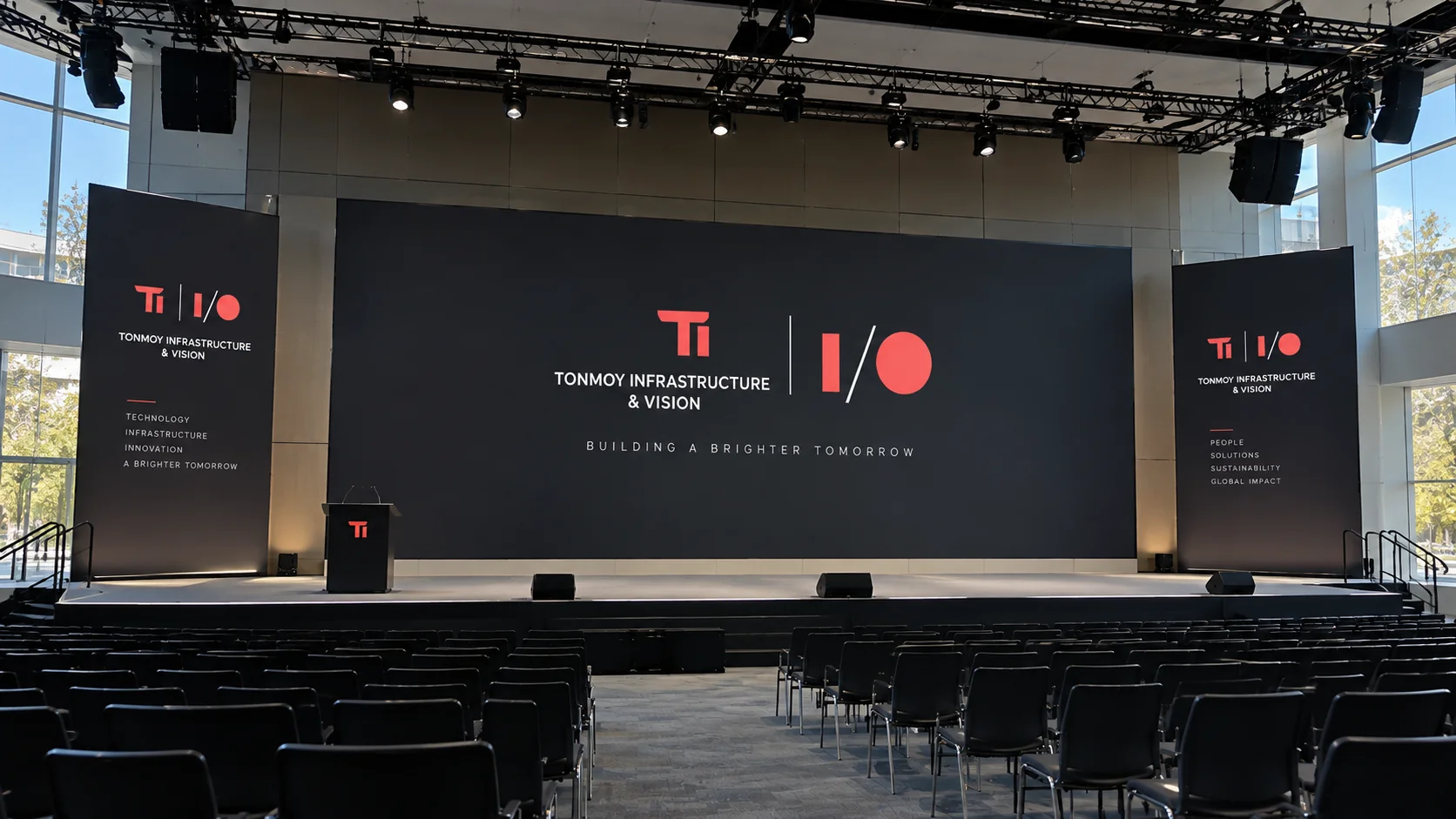
What TIV I/O covers.
A purposeful technical curriculum focused on production software, sovereign internet systems, architectural governance, and open research.
Software and Developer Tools
Practical self-hostable platforms, terminal-native intelligence, and high-assurance autonomous software engineering runtimes built for data ownership and local execution.
Internet and Network Infrastructure
Low-latency transport protocols, sovereign data center nodes, bare-metal hosting architecture, and physical-layer optical communications.
Systems Engineering and Architecture
Rigorous downward-dependency layered models, non-bypassable policy gates, OS-level sandbox confinement, deterministic verification engines, and resource budgeting.
AI, Emerging Technologies, and Research
Compact causal language models for code synthesis, AST-aware repository intelligence, policy-governed agent runtimes, and reproducible scientific publications.
Engineering, demonstrations, and research.
TIV I/O is designed to present verifiable technical work rather than high-level slogans. Demonstrations focus on live systems, architectural decisions, and open science.
Technical Keynotes
In-depth technical presentations examining foundational architecture decisions, sovereign infrastructure paradigms, and multi-year engineering roadmaps.
Live Systems Demonstrations
Live, end-to-end walkthroughs of shipped systems operating under production constraints — autonomous runtime gating in M31A, AST parsing in Octate, and single-binary mail servers in OpenMail.
Policy & Confinement Deep Dives
Technical explorations of non-bypassable policy evaluation gates, Linux cgroups v2 and POSIX rlimits process confinement, and evidence-based completion verification.
Open Research Disclosures
Presentations on compact transformer architectures for code synthesis, cross-file symbol graph resolution, and experimental transport protocols.
Intended Format vs. Confirmed Program
The sections above describe the intended technical structure of TIV I/O. Confirmed session listings, detailed speaker rosters, and exact timetables will be published as event technical planning advances. No individual sessions are currently locked or announced as final.
Event information.
Truthful and verified event status. All logistics, venues, and registration paths remain unannounced until officially confirmed.
To be announced
Event dates will be published exclusively through official TIV announcements once scheduled.
To be announced
Venue and physical or virtual attendance arrangements are currently unconfirmed.
In technical planning
The event framework is established. Agenda and presentation selection are in progress.
To be announced
Registration is not open. No tickets or booking links have been issued.
Technology & Developer Conference
Software, internet infrastructure, networking, and research.
Tonmoy Infrastructure and Vision
An independent engineering organization focused on self-reliant systems.
Commitment to Accuracy
Stay informed.
Follow genuine announcements through official TIV communications. We do not operate nonfunctional signup forms or collect unnecessary personal data.
News & Announcements
Read official releases, architectural milestones, and forthcoming event dates as they are published on the TIV news portal.
Direct Inquiries
Have specific technical questions, partnership proposals, or event inquiries? Reach out through our verified contact routing system.
Explore the TIV ecosystem.
Learn more about the engineering work, infrastructure systems, and research initiatives presented at TIV I/O.
Shipped Products
OpenMail, Mercura, M31A, and Octate — four production-ready systems.
Physical to Application
Data centers, routing topology, courier networks, and optical backbones.
Open Scientific Work
Causal language models, whitepapers, experimental checkpoints, and publications.
Open Source Work
Public repositories, permissive licenses, and inspectable codebases.